Finding the Right Sports Academy for Your Child
A practical guide to evaluating coaching quality, training philosophies, competition levels, and facility standards when selecting a youth sports program.
Why the Right Academy Matters
Choosing a sports academy isn't just about finding a place to practice. It's about finding coaches who understand your child, facilities that support real development, and a community where they'll actually enjoy showing up. The difference between a good program and a mediocre one shows up within weeks — in attitude, skill growth, and confidence.
We've put together this guide to help you evaluate programs systematically. You'll learn what questions to ask, what to watch for during visits, and how to match a program's philosophy with what your child actually needs right now.
The Four Pillars of Evaluation
When you visit an academy, assess these core areas. They'll tell you almost everything you need to know.
Coaching Quality
Do coaches have competitive playing experience? Are they certified in their sport? How do they handle different skill levels in one session?
Training Philosophy
Is the focus on fundamentals or competition? Do they emphasize skill development over winning? How do they structure progression?
Facilities & Equipment
Are the courts/fields well-maintained? Is equipment appropriate for different ages? How crowded are sessions?
Community Fit
Do kids look like they're enjoying themselves? Is the environment supportive or hyper-competitive? Will your child feel welcome?
Evaluating the Coaching Staff
Good coaches don't just know the sport — they know how to teach it. Here's what to look for when you're watching a session:
- Do they explain the "why" behind drills, not just the movements?
- Are they giving individual feedback or just barking instructions?
- How do they respond when a kid makes a mistake?
- Do they know every child's name and current skill level?
- Are they approachable before/after sessions for questions?
Ask directly about certifications. Most legitimate programs have coaches who've completed sport-specific training and first aid certification. Don't settle for "we've got experienced coaches" — ask what that experience actually is.

Understanding Training Philosophy
Every academy has an underlying philosophy about what they're trying to accomplish. Some emphasize competition and winning. Others focus on skill development and long-term growth. Neither is wrong — it depends on what your child needs.
Ask this directly: "What does success look like for a 10-year-old in your program?" If they say "winning matches," that's a different program than one saying "mastering footwork and building confidence." Watch how they celebrate during sessions. Do they cheer for good effort or only winning plays?
Pro tip: The best academies for young kids (under 12) focus on fundamentals and fun. Competitive focus naturally increases as kids age and skill develops. If a program is too competition-heavy for your child's age, they'll either burn out or develop poor habits rushing to win.
Assessing Facilities & Equipment
You don't need Olympic-level facilities, but you do need spaces that are safe, well-maintained, and appropriate for the age group. Here's what to check during your visit:

Finding Your Community Fit
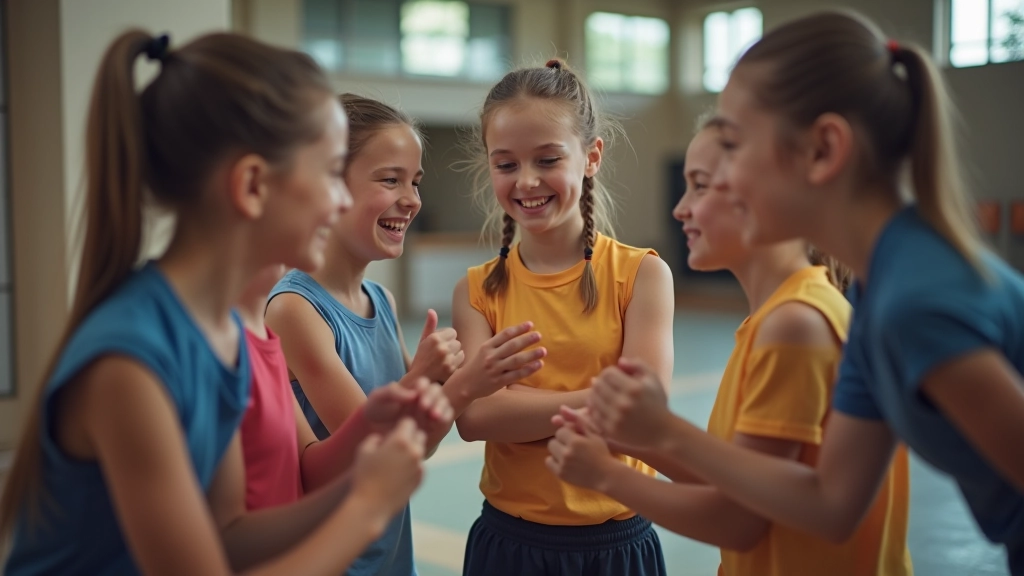
This is where intuition matters. Spend 15 minutes watching a session before deciding. How do kids interact with each other? Do they seem stressed or relaxed? Are newer kids being included or ignored?
Talk to other parents if you can. Ask them what keeps their kids coming back. If the answer is "my kid loves it" rather than "we want them on the competitive team," that's a healthy sign. You want your child to enjoy the sport itself, not just the prestige of the program.
"We tried three programs before finding this one. The difference was immediate. Our daughter went from dreading practice to asking if we could go early. That's when we knew we'd found the right fit."
— James, parent
Questions to Ask Before Enrolling
Don't be shy about asking these. Good programs are used to questions and answer them confidently.
What's the typical class structure? How much is instruction vs. free play?
You want a mix. Young kids learn through play, but structured instruction is essential for skill development.
How do you handle different skill levels in the same group?
Honest answer: good programs either split by level or use adaptive coaching. If they say "everyone learns the same," that's a red flag.
What happens if my child wants to quit?
Programs that pressure you to commit to a full season before trying it out aren't confident in their offering.
Can we observe a full session before committing?
This should be automatic. Any resistance suggests something to worry about.
How do you communicate with parents about progress?
You'll want regular feedback, not just a yearly report. Look for programs that update parents monthly at minimum.
Making Your Final Decision
After visiting a few programs, you'll notice clear differences. Trust what you see. The program where kids are smiling, coaches are engaged, and facilities are maintained properly — that's probably the one.
Here's something important: the "best" academy on paper isn't always the best for your child. A highly competitive program might crush a kid who's playing just for fun. A casual program might bore a kid who's serious about the sport. Match the program to your child, not to your expectations.
Most programs offer trial sessions or single-class drop-ins. Use them. Let your kid experience the program with their own coach and classmates. That first impression matters more than your gut feeling as a parent.
Ready to explore programs in your area? Check local youth sports directories, ask your child's school for recommendations, or search "[your city] youth sports programs" to find academies near you.
About This Guide
This article provides educational information to help parents evaluate youth sports programs. Every child and family is different, and the right program depends on your specific circumstances, location, and your child's interests and needs. Program quality varies widely even within the same city. Always visit in person, observe sessions, and talk to current families before enrolling. This guide isn't a substitute for direct research and your own judgment about what's best for your family.