
Music Lessons for Beginners: What to Expect
Getting started with piano, guitar, violin, or voice lessons. Learn about lesson structure, practice expectations, and how to know if your child is ready.
Starting Your Child's Musical Journey
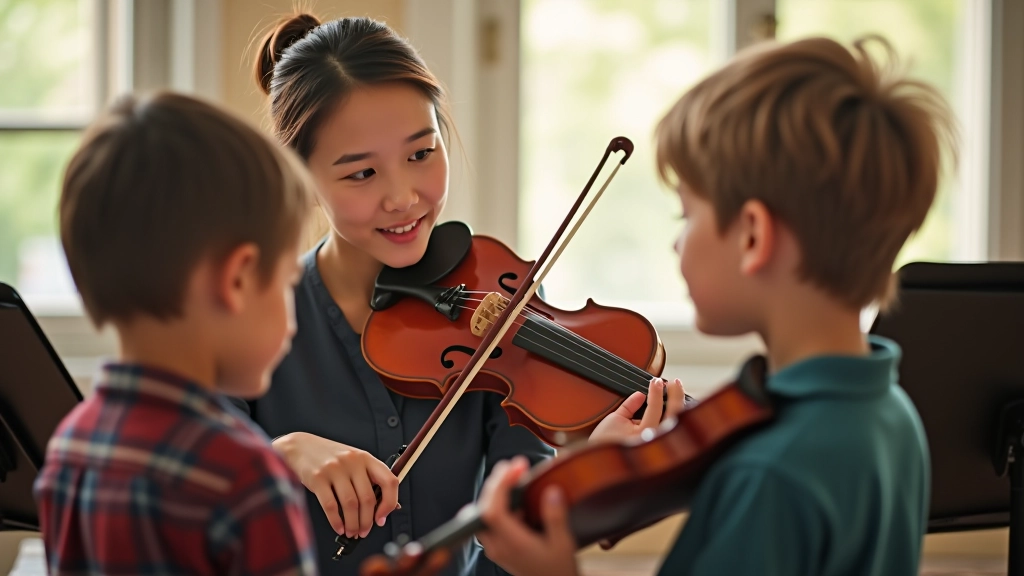
It's exciting when your child shows interest in learning an instrument. But you're probably wondering what actually happens in those lessons — and whether they're really ready to commit. Here's the real talk: most kids can start music lessons between ages 5 and 7, though some instruments work better for older beginners. The first few weeks feel different from regular school because it's less about grades and more about building confidence.
We've worked with hundreds of families starting their music journey. The kids who stick with it aren't necessarily the most talented ones — they're the ones who had clear expectations going in. They knew what to bring, understood the practice routine, and got positive feedback early on. That's what we're covering here.
What Happens During a Typical Lesson
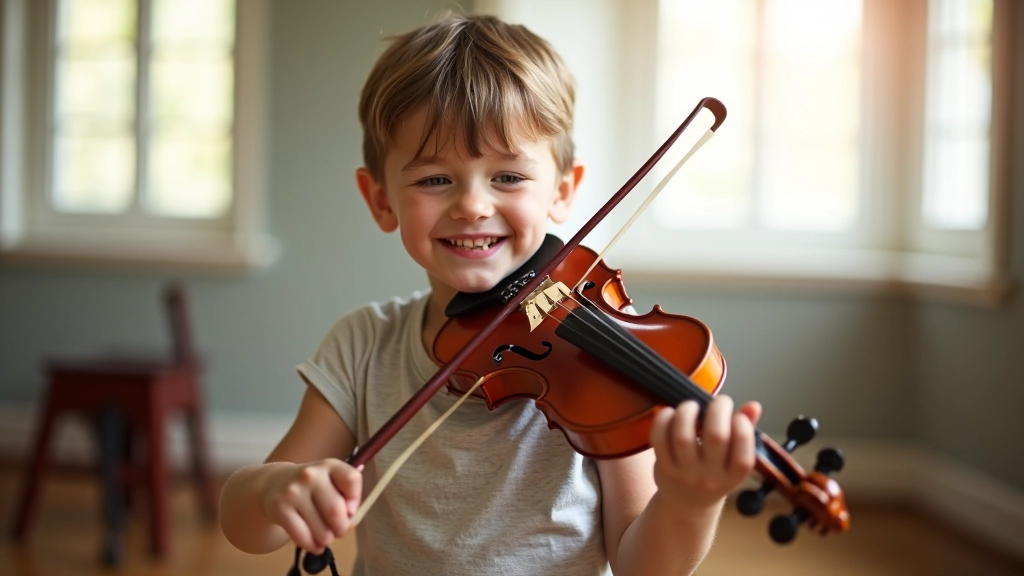
Most music lessons follow a loose structure that works whether your child is learning piano, guitar, or voice. A standard 30-minute lesson (common for beginners) usually breaks down like this: warm-up exercises take about 5 minutes — this might be scales, breathing techniques, or finger drills depending on the instrument. Then you're looking at 15-20 minutes on new material or technique work, and the final 5-10 minutes reviewing what they've learned.
The teacher will give your child assignments — don't call them homework because kids hate that word. They're more like "practice goals." A beginner might practice 15-20 minutes daily, which sounds like a lot but breaks down into three 5-minute sessions. That's realistic. Teachers also send home notes or use apps to track progress, so you're not left guessing whether things are going well.
Daily Practice: The Real Commitment
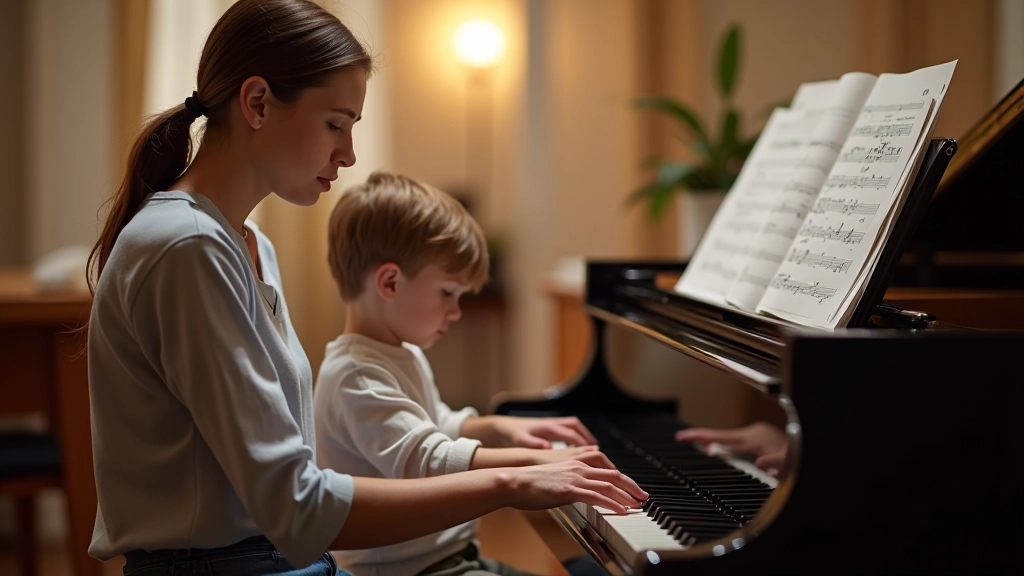
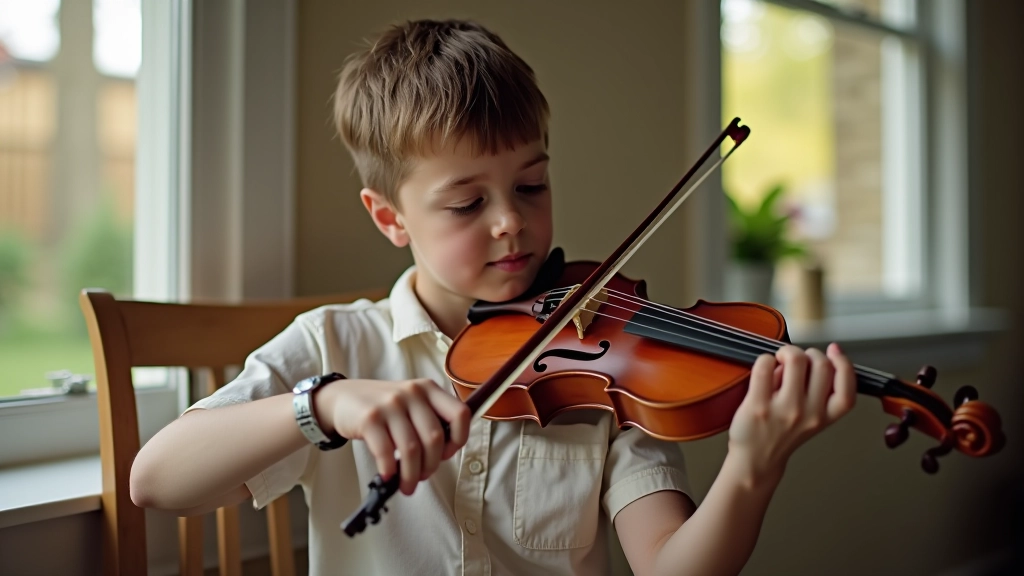
Here's what separates kids who improve from kids who don't: consistent practice. Not marathon sessions — consistency. A 15-minute daily practice is worth infinitely more than a 90-minute weekend cram. Your child's brain actually needs time between sessions to process what they learned. That's neuroscience, not a teacher being annoying.
Setting up a practice routine early makes everything easier. Pick a time — maybe right after school or after dinner — and stick with it. Most families find success with a practice chart on the fridge. Some kids love the visual tracking. Also, resist the urge to make practice punishment. If your kid's frustrated, take a break. Crying over scales teaches them that music is stressful, which is backwards.
Daily goal:
15-20 minutes for beginners
Best time:
Same time each day
Sessions:
3 shorter sessions beat 1 long one
Is Your Child Ready for Lessons?
Age matters less than you'd think. We've seen 6-year-olds with laser focus and 10-year-olds who can't sit still for 15 minutes. What actually matters is whether your child genuinely wants to do this. If they're asking for lessons — even if they ask once — that's a green light. If you're pushing it, that's usually a recipe for quit-after-six-weeks.
Check for these signs your child's ready: Can they follow two-step instructions? Do they have the physical coordination to handle an instrument? (Age 5-6 for piano or ukulele, age 6-7 for violin, age 8+ for saxophone). Can they handle gentle correction without falling apart? If you answered yes to most of those, they're probably ready.
One more thing — don't worry about instrument choice paralyzing you. Piano and guitar are most common because they're accessible and sound good quickly. Violin has a longer learning curve but produces beautiful sounds. Voice lessons work great for shy kids because they're already carrying their instrument. Talk with a teacher about what fits your kid's personality and your family's lifestyle.
First Lesson Checklist: What to Bring
Notebook for lesson notes
Pencil (for marking sheet music)
The instrument (tuned, if applicable)
Water bottle (hydration matters)
Open mind and patience with yourself
Willingness to practice between lessons
Questions written down if you have them
Realistic expectations about progress
Most teachers will give you the exact list, but knowing what to expect removes anxiety. That's half the battle right there.
What to Expect Over Time
Weeks 1-4
The Honeymoon Phase — Everything's new and exciting. Your child's enthusiastic about going to lessons. They're learning basic technique and it feels magical because they can already play something recognizable. This is the window where habits form.
Weeks 5-8
The Reality Check — Novelty wears off. Practice feels like work. This is completely normal and where most kids quit if parents aren't supportive. Push through here and you're golden. The teacher will help adjust expectations if needed.
Months 3-6
Building Confidence — Your child starts playing actual songs, not just exercises. They can hear their own progress. Motivation comes back naturally. They'll want to play for family, which is adorable and keeps them invested.
6+ Months
Real Musician Territory — They're reading music fluently, handling more complex pieces, and might join group classes or recitals. This is where music stops being a lesson and becomes something they do because they love it.
The Bottom Line
Music lessons aren't magic. They're structured learning with a patient adult guiding your child through fundamentals. What makes them transformative is consistency, supportive parents who don't pressure, and teachers who actually enjoy working with beginners. You're not raising the next concert pianist — you're giving your child a skill they can enjoy forever, plus benefits science keeps proving: better focus, improved memory, and genuine confidence from doing something hard.
The first lesson is just the beginning. Come in with realistic expectations, commit to the practice routine, and don't bail when week five feels hard. That's when the real learning happens.
Important Information
This article is educational and informational in nature. Every child develops at their own pace, and music readiness varies widely. What works for one child may not work for another. We recommend discussing your child's individual readiness and learning needs with a qualified music teacher before starting lessons. Teacher experience, teaching style, and fit with your child's personality matter significantly to success. Progress timelines are general estimates — actual results depend on individual effort, practice consistency, and instructional quality.
Related Articles